
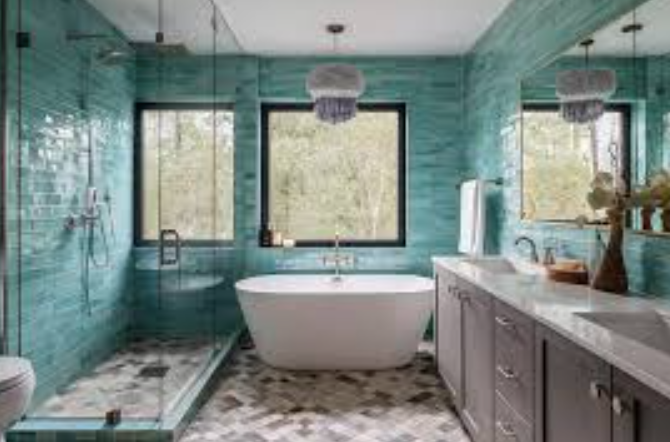
Bathroom Renovation Ideas for Small Houses
Small bathrooms in houses demand careful layout, compact fixtures, and smart storage. Map the space to place essentials along walls, minimize door bottlenecks, and keep sightlines clear. Choose wall-hung or compact units, recessed pans, and slim vanities. Add vertical storage and over-the-door organizers to reclaim floor space. Bright lighting, mirrors, and pale, cool finishes will expand the feel. The next step reveals practical choices that keep traffic smooth and spaces livable.
Optimize Layout for Small Bathrooms
Optimizing layout starts with mapping the footprint: place fixtures along walls to minimize wasted space and maximize movement.
In space planning, careful door orientation prevents bottlenecks and awkward entry angles, enabling smoother circulation.
This practical approach prioritizes flexible placement, clear sightlines, and minimal encroachment.
Results: efficient, comfortable small bathrooms with improved usability and freedom of movement.
Pick Compact Fixtures That Maximize Space
To maximize space in a small bathroom, selecting compact fixtures is key. Choose wall-hung sinks and toilets to free floor area, and pair them with recessed shower pans. Opt slimline vanities, narrow mirrors, and corner shelves to reduce bulk.
Prioritize efficient water flow and concealed hardware. Compact fixtures contribute a breathable, functional feel while maximizing space and freedom.
Clever Storage and Organization Hacks
Clever storage and organization hacks maximize function without encroaching on floor space. Small bathrooms benefit from vertical solutions: wall-mounted shelving, over-the-door organizers, and magnetic or pegboard accents. Implement modular containers and labeled bins to support quick access. Choose simple, reusable storage hacks that fit existing nooks, enabling efficient routines. Adopt flexible organization systems for ongoing adaptability and personal freedom.
Lighting, Color, and Finishes to Expand Perceived Space
Lighting, color, and finishes are the practical levers that make a small bathroom feel larger.
By applying lighting psychology, fixtures should maximize brightness without glare, while mirrors and white or pale surfaces reflect light.
Color theory guides cohesive palettes: choose cool neutrals with strategic accent hues.
Finishes should be low-sheen and seamless to reduce visual breaks, creating perceived openness and freedom.
Frequently Asked Questions
How Can I Squeeze a Full Bath Into a 24-Inch-Wide Footprint?
A 24-inch-wide bathroom can function with compact layouts and vertical storage: install a corner shower, a compact toilet, and a narrow sink. Utilize wall-mounted fixtures, tall slim cabinetry, and recessed shelves to maximize space and maintain freedom.
What Budget Range Is Realistic for Tiny Bathroom Renovations?
A realistic budget range for tiny bathroom renovations varies, but plan for $5,000–$15,000 as a practical guideline. Realistic costs depend on fixtures and finishes. Budget consciously, focus on cost planning, and adjust to desired freedom and quality.
Are There Plumbing Code Tricks to Gain Extra Inches?
Plumbing code should not be circumvented; there are no legitimate tricks to gain extra inches. Instead, analyze layouts, consult inspectors, and explore compliant space-saving options like compact fixtures, reoriented doors, or accessible maneuvering zones within code constraints.
Which Ventilation Options Best Suit Small, Damp Spaces?
Ventilation options for small spaces favor quiet fans, inline ducts, and smart humidity sensors. Juxtaposition of simplicity and control: efficient exhaust reduces moisture without clutter. Cleaning tips and moisture control complement moisture management, ensuring freedom within compact bathrooms.
See also: How AI Is Used in Social Media Platforms
How Do I Ensure Tub-To-Shower Conversions Stay Leak-Free?
To keep tub-to-shower conversions leak-free, implement thorough waterproofing strategies, seal joints meticulously, and install proper venting options. Emphasize moisture management through vapor barriers and continuous drainage. Practice leak prevention with proactive inspections and durable materials.
Conclusion
This theory holds that tighter spaces compel smarter choices, and the truth bears this out. Small bathrooms reveal that efficiency, not size, governs comfort: wall-hung fixtures free floor space, recessed pans and slim vanities reduce bulk, and bright lighting plus pale neutrals expand perception. With deliberate layout, vertical storage, and clear sightlines, daily rituals feel calmer and more functional. In practice, thoughtful design transforms constraint into clarity, proving that smaller rooms can outperform larger ones in both ease and elegance.