The Role of Smart Sensors and Radar in Autonomous Vehicles
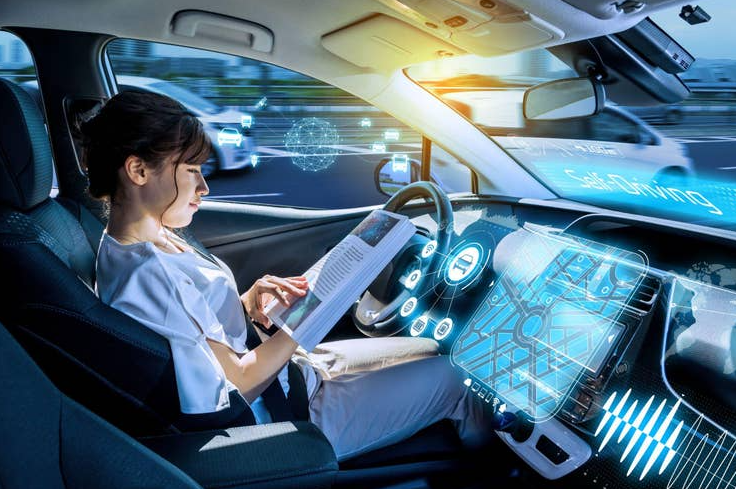
Autonomous vehicles are no longer just a futuristic concept, they’re rapidly becoming part of our everyday reality. At the heart of this transformation lies a powerful combination of smart sensors and radar systems that enable cars to “see,” interpret, and react to the world around them. These technologies are the backbone of self-driving systems, making transportation safer, smarter, and more efficient.
Interestingly, the way these systems are structured can be compared to a well-thought-out brochure design where every element must align perfectly to deliver clear, useful information. In autonomous vehicles, that “information” is the surrounding environment, processed in real time to guide decisions.
Let’s explore how smart sensors and radar technologies are shaping the future of mobility and why they matter more than ever.
What Are Smart Sensors in Autonomous Vehicles?
Smart sensors are advanced devices that collect data from a vehicle’s surroundings and process it in real time. Unlike traditional sensors, they don’t just detect, they analyze, interpret, and communicate information.
These sensors typically include:
- LiDAR (Light Detection and Ranging)
- Radar (Radio Detection and Ranging)
- Cameras (vision systems)
- Ultrasonic sensors
Together, they form a perception system that allows autonomous vehicles to understand their environment with remarkable precision.
According to industry estimates, the autonomous vehicle sensor market is expected to grow significantly over the next decade, driven by rising demand for safety features and automation.
Why Radar Is Essential for Autonomous Driving
While many people focus on cameras or LiDAR, radar plays an equally if not important role in autonomous vehicles.
Key Advantages of Radar
1. All-Weather Performance
Radar works reliably in rain, fog, snow, and dust conditions where cameras and LiDAR often struggle. This makes it indispensable for real-world driving.
2. Long-Range Detection
Radar can detect objects at greater distances, helping vehicles anticipate hazards earlier.
3. Velocity Measurement
Unlike most sensors, radar can measure the speed of moving objects using Doppler effectscrucial for tracking vehicles, cyclists, and pedestrians.
The Power of Sensor Fusion
No single sensor is perfect. That’s why autonomous vehicles rely on sensor fusiona system that combines data from multiple sensors to create a complete and accurate picture of the environment.
How Sensor Fusion Works
- Cameras provide color, texture, and visual detail
- LiDAR creates high-resolution 3D maps
- Radar adds depth, speed, and reliability in poor conditions
By merging these inputs, vehicles can:
- Detect obstacles with higher accuracy
- Reduce false positives
- Improve decision-making in complex environments
Sensor fusion is what allows autonomous systems to function safely in unpredictable, real-world scenarios.
LiDAR vs Radar: Complementary, Not Competitive
There’s often debate about whether LiDAR or radar is betterbut the truth is, they serve different purposes.
LiDAR Strengths
- High-resolution 3D mapping
- Precise object detection
- Ideal for urban navigation
Radar Strengths
- Works in all weather conditions
- Detects speed and movement
- More cost-effective
The future of autonomous driving lies in combining these technologies rather than choosing between them.
Real-World Applications of Smart Sensors
Smart sensors and radar are already powering advanced features in modern vehicles. These include:
1. Advanced Driver-Assistance Systems (ADAS)
Features like:
- Adaptive cruise control
- Lane-keeping assist
- Automatic emergency braking
These systems rely heavily on radar and sensor fusion to function safely.
2. Autonomous Navigation
Self-driving cars use sensors to:
- Map surroundings in real time
- Identify road signs and signals
- Predict the behavior of other road users
3. Parking and Low-Speed Maneuvers
Ultrasonic sensors and radar help vehicles:
- Detect nearby objects
- Navigate tight spaces
- Park autonomously
See also: A simple guide to seasonal HVAC maintenance in Los Angeles
Challenges in Sensor Technology
Despite rapid advancements, there are still hurdles to overcome.
1. Cost and Scalability
Some sensor technologies, especially LiDAR, remain expensive, limiting widespread adoption.
2. Data Processing Complexity
Handling massive amounts of sensor data in real time requires powerful computing systems.
3. Environmental Limitations
- Cameras struggle in low light
- LiDAR can be affected by reflective surfaces
- Radar has lower resolution
This is why combining multiple sensors is essential for reliability.
The Future of Smart Sensors and Radar
The future of autonomous vehicles will be defined by smarter, cheaper, and more integrated sensor systems.
Key Trends to Watch
1. Solid-State LiDAR
More affordable and compact, making mass adoption possible.
2. AI-Powered Perception
Machine learning algorithms will improve object detection and prediction.
3. 4D Imaging Radar
Next-generation radar will offer higher resolution and better object classification.
4. Smart Cities Integration
Sensors will connect with infrastructure for real-time traffic optimization.
Actionable Insights for Businesses and Innovators
If you’re working in tech, automotive, or even marketing, here’s how you can leverage this trend:
- Invest in multi-sensor systems rather than relying on one technology
- Focus on cost reduction strategies for scalability
- Collaborate with AI and data companies
- Stay updated on regulations and safety standards
For content creators, breaking down complex technologies into simple, relatable explanations can make a huge difference in audience engagement.
Conclusion
Smart sensors and radar are not just componentsthey are the “eyes and brain” of autonomous vehicles. Together, they enable machines to interpret the world, make decisions, and navigate safely.
As technology evolves, the integration of radar, LiDAR, cameras, and AI will define the success of autonomous systems. The organizations that understand and adopt these innovations early will lead the next wave of mobility transformation.
Autonomous driving isn’t about a single innovationit’s about how multiple intelligent systems work together to create a safer, smarter future.